
Speakers
George Benda, CIEC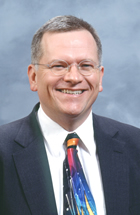
George Benda is Chairman and CEO of Chelsea Group, Ltd., a leading firm in building science consulting. Mr. Benda oversees a team of engineers, architects, industrial hygienists, and building scientists in their consulting work. The firm's projects include flood and storm recovery in Hawai'i and the Gulf States, property condition assessments nationwide, energy conservation programs for commercial and institutional properties, indoor environmental assessments and remediation management, and LEED Certification support. Mr. Benda also oversees the delivery of the firm's unique Midsource Engineering in support of commercial real estate owners and managers, assisting with capital planning, transaction support, and operational support for building engineers. He started Chelsea Group in 1990.
Mr. Benda currently serves on the Board of Directors for the Building Owners and Managers Association (BOMA) Hawai'i. He has served on the Board of Directors of the Indoor Air Quality Association (IAQA) and continues on as Chair of the IAQA Research Committee. Mr. Benda has served as Chairman of the Board for the Certification of Indoor Air Quality Professionals (CIAQP) at the Association of Energy Engineers (AEE). He was named a regional Energy Professional of the Year by AEE in 2005. He is an active member in the American Society of Heating, Refrigerating, and Air-conditioning Engineers (ASHRAE).
Prior to starting Chelsea Group, Mr. Benda was President and CEO of HEC Energy Corporation, an energy services performance contracting company which he sold to Northeast Utilities. He previously served as the Director of Energy Programs for the State of Illinois. He has authored books, papers, and presentations for BOMA International, ASHRAE, AEE, and the American Hospital Association, among others. Mr. Benda received his Bachelor of Science degree from Rockford College and his Master's from the University of Chicago.
"Emerging Mold Remediation Technology"
New technologies have continued to enter the market for mold remediation. Variations on old technologies, such as coatings and biocidal agents, offer the potential of lower toxicity and wider applicability. Fumigants and thermal treatment technologies have offered the potential of "building sterilization". Where do these emerging technologies fall on the scale of fact or fantasy in their claims and field results? And where does all of this lead? This presentation will focus on practical aspects of new technologies in recovering from a major water incursion in a building.